![Download Audio Manager APK For Android [Latest]](https://apkpure.co.in/wp-content/uploads/2026/09/Audio-Manager-APK.webp)
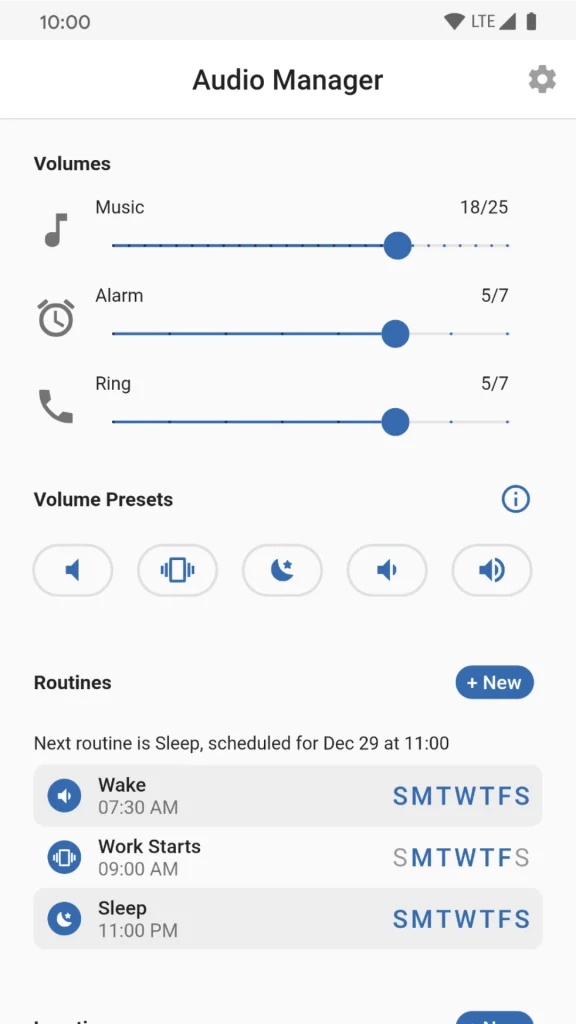
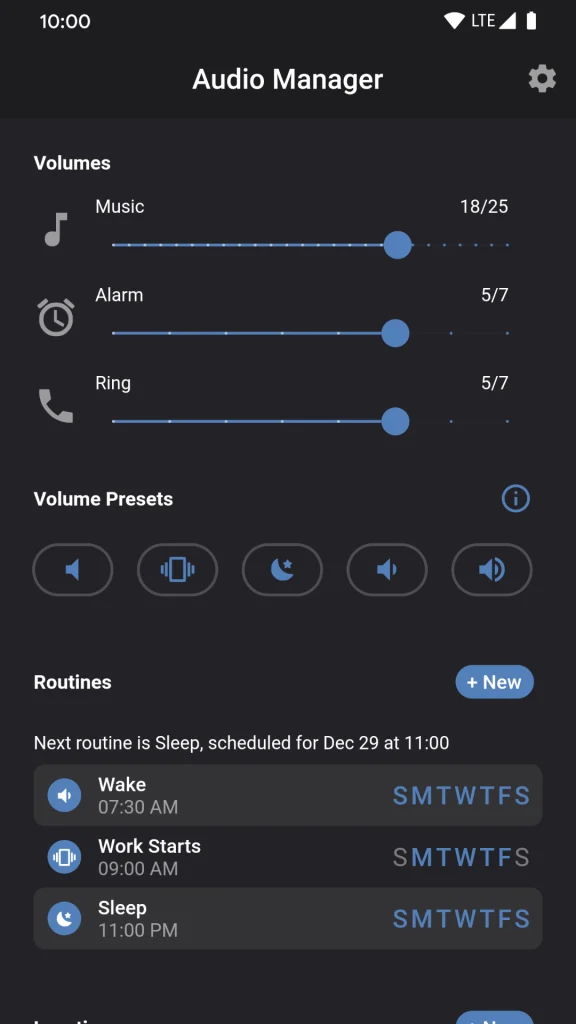

Have you ever missed an important call because your phone was on silent? Or disturbed others because your ringtone was too loud in a quiet place? Managing volume settings manually throughout the day can become frustrating, especially when your routine changes often. An Audio Manager APK helps solve this problem by automatically adjusting your phone’s volume levels, ringtones and sound profiles based on your preferences.
Instead of changing settings every time you enter a meeting, office, home or outdoor location, the app can handle these adjustments for you. This guide explains how audio management apps work, their useful features, common limitations and what users should consider before choosing one.
Why Manual Volume Control Becomes a Daily Problem
Smartphones offer quick volume controls, but they still require attention. Many users change sound settings several times a day depending on where they are and what they are doing. A typical day might include:
- Lowering the ringtone volume during work meetings
- Switching to silent mode while sleeping
- Increasing media volume during travel
- Adjusting notification sounds in public places
These small tasks may seem simple, but repeating them daily becomes inconvenient. Forgetting even once can create awkward situations, such as a loud notification during a presentation or missing an urgent call because the phone stayed muted. Automatic sound control apps are designed to reduce this constant manual adjustment.
What Makes an Audio Manager App Useful?
An Audio Manager App is designed to automatically manage different sound settings on a smartphone. It allows users to create rules or profiles that control how their device behaves in specific situations.
For example, a user can create a “Work” profile that keeps notification sounds low, reduces ringtone volume and allows only important alerts. A “Night” profile can automatically switch the phone to silent mode during sleeping hours. The main purpose is convenience. The phone adapts to the user’s routine instead of requiring the user to repeatedly change settings.
Features Users Usually Look For in Audio Control Apps
Different apps offer different levels of automation, but several features are commonly valuable for everyday users.
Automatic Volume Adjustment
The most important feature is the ability to control volume levels automatically. Users can set preferred levels for:
- Ringtone volume
- Media volume
- Alarm volume
- Notification sounds
- System sounds
This helps maintain consistent audio settings without manual changes.
Custom Sound Profiles
Sound profiles allow users to create different audio modes for different situations.
Common examples include:
- Office profile: Lower notifications and moderate ringtone volume.
- Meeting profile: Silent mode with selected important alerts.
- Home profile: Normal ringtone and higher media volume.
- Sleep profile: Minimal sounds except alarms.
Profiles are useful because users can switch settings quickly or automate them based on time and location.
Scheduled Audio Changes
Many audio management apps allow users to schedule sound changes. This means the phone can automatically adjust settings at specific times.
For example:
- Silent mode from 10 PM to 7 AM
- Lower volume during office hours
- Normal sound settings after work
This feature is especially useful for people with predictable daily routines.
Location-Based Sound Control
Some advanced apps can change audio settings based on location.
A user could set:
- Office location → silent or vibration mode
- Home location → normal ringtone
- Gym location → louder media volume
This removes the need to remember changing settings manually.
How Audio Manager Apps Improve Everyday Smartphone Use
The biggest advantage of automatic sound management is reducing small daily interruptions. A student attending classes, a professional joining meetings or someone working in a shared environment can benefit from having better control over phone sounds. These apps can also help users avoid common problems:
- Forgetting to remove silent mode
- Missing calls because volume is too low
- Accidentally disturbing others
- Changing multiple settings repeatedly
For people who frequently move between different environments, automation can make smartphone use more comfortable. You can also download Avee Music Player Pro APK.
Audio Manager APK vs Built-In Phone Sound Settings
Most smartphones already include basic sound controls. Users can adjust volume, switch between silent and vibration modes and customize ringtones through system settings. However, built-in controls usually focus on manual adjustments. They may not provide advanced automation options.
An audio control app can offer additional flexibility through:
- Automatic schedules
- Custom profiles
- Location triggers
- More detailed sound rules
For users who rarely change volume settings, the phone’s default controls may be enough. But users with busy schedules may find automation more practical.
Things to Check Before Installing an Audio Management App
Not every sound control app will provide the same experience. Before choosing one, users should consider a few important factors.
Compatibility With Your Device
Android versions, manufacturer settings and system restrictions can affect how an app controls sound. Some features may work differently depending on the smartphone model. Always check whether the app supports your device version.
Permissions Required
Audio automation apps may require permissions to change system settings, access location or run in the background. Users should review permissions carefully and avoid apps requesting unnecessary access.
Battery Usage
Apps that constantly monitor location or background activity may affect battery performance. A well-designed app should provide automation without creating excessive battery drain.
User Interface
A good audio manager should be simple to configure. Complicated settings can make automation more difficult than manual control. The best apps usually provide clear profiles and easy customization.
Common Mistakes Users Make With Sound Automation
Many users create too many complicated rules. Having dozens of profiles can make the system confusing and difficult to manage.
A better approach is to start with a few essential profiles:
- Work
- Home
- Sleep
- Travel
Simple automation is usually easier to maintain and more reliable.
Another common mistake is ignoring important sounds. Completely silencing a phone may cause users to miss emergency calls or important notifications. Balanced settings are often more practical than extreme silence.
Are Audio Manager Apps Still Useful Today?
Yes, audio automation tools remain useful because smartphones are used in many different environments throughout the day. Although modern devices have improved sound controls, many users still need more personalized automation.
People who regularly attend meetings, travel frequently or manage different daily routines can benefit the most from these apps. For casual users who rarely change sound settings, the built-in phone options may already be sufficient.
Final Thoughts on Choosing the Right Audio Control Solution
A good Audio Manager APK should make smartphone use easier, not add more complexity. The right choice depends on how often you adjust your phone’s audio settings and how much automation you need.
Before installing an app, consider your daily routine, required features and privacy preferences. If you often forget to change ringtone or volume settings, automation can save time and prevent unnecessary interruptions.